 Shawn Machado

The cold storage market is at an interesting turning point. After the pandemic-era surge in demand, the market has gone through a significant reset. Investors are becoming more selective, and some markets still have excess supply. The outlook from Wall Street is cautiously optimistic: the market may have reached the bottom, but recovery is likely to be gradual.
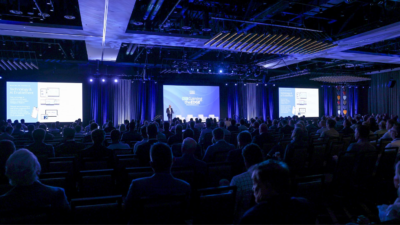
At this year’s I.CON Cold Storage conference, one theme came through clearly: the next phase of the market will favor facilities that offer flexibility, efficient operations, and a strong understanding of the end user.
Designing for the Tenant You Haven’t Met Yet
Flexibility emerged as one of the strongest themes throughout the conference. Tenant requirements are constantly changing, from temperature ranges and pallet positions to automation, production needs, and dock configurations. Designing a building around one user’s exact requirements can create challenges when that tenant leaves.
Modern facilities are increasingly being designed to accommodate multiple users and configurations. Cold Summit Dallas II was a strong example, with 363,000 square feet offering temperatures from -20°F to 65°F and the ability to accommodate up to four tenants.
The takeaway: a cold storage building should solve today’s needs while preserving options for tomorrow. Higher clear heights, flexible demising, convertible chambers, and adaptable refrigeration systems can increase the long-term value of an asset. Flexibility isn’t just a construction feature. It’s an investment strategy and a form of risk management.
Looking Differently at Existing Buildings
Ground-up development isn’t always the answer. Adaptive reuse can create opportunities, particularly where land and new construction are expensive. Examples including Garland Logistics Park and the Halperns’ facility showed how older industrial buildings can be converted into functional, modern cold storage and food processing facilities.
But adaptive reuse requires deep due diligence. Structure, slab, drainage, utilities, roof, clear height, and fire protection all need to be evaluated early. One case study ultimately required more than $1 million in structural reinforcement. The lesson is simple: the cheapest building isn’t necessarily the cheapest cold storage solution.
Converting an existing facility can also shorten the timeline, but specialized construction such as box-in-box systems can increase the cost per square foot. Time-to-market needs to be considered alongside construction costs and long-term operating economics.
Start With the Operation, Not the Square Footage
Another theme that stood out was the importance of understanding how the customer actually operates. Cold storage build-to-suit projects aren’t simply about finding the right amount of space.
One example featured a cold storage facility physically connected to a manufacturing operation through a conveyor bridge. The warehouse became part of the manufacturing process rather than simply a place to store products.
That level of integration reinforces why developers and brokers need to understand how the occupier plans to operate within the space. Visiting an existing facility can reveal details that may not appear in an RFP or requirements list. The best projects start with the end user and consider how the product moves through the entire operation.
Creative Thinking Can Unlock Opportunity
One of the deal case studies reinforced another important point: complicated cold storage transactions require persistence. The building lacked sufficient clear height, loading, and cold storage capabilities. Instead of walking away, the team found a way to make the property work. A 150,000-square-foot roof lift increased clear height from 21 feet to 36 feet, creating greater storage density and allowing the tenant to expand its footprint significantly.
It was a good reminder that the right building isn’t always obvious at first glance. Persistence and creative problem-solving can turn a “no” into a transaction.
Looking Ahead
I.CON Cold Storage reinforced that cold storage is not a commodity industrial product. Two 200,000-square-foot buildings can have very different values depending on refrigeration, power, loading, clear height, food-grade infrastructure, location, and adaptability.
As the market becomes more disciplined, the “right building” will matter more than simply finding “a building.” For developers and investors, understanding the end user before committing capital can help reduce risk and create more durable assets. And as requirements continue to evolve, flexibility may prove to be one of the most valuable features a cold storage facility can offer.
 Craig Hurvitz