
 Parker Nusim
 Nicole Larson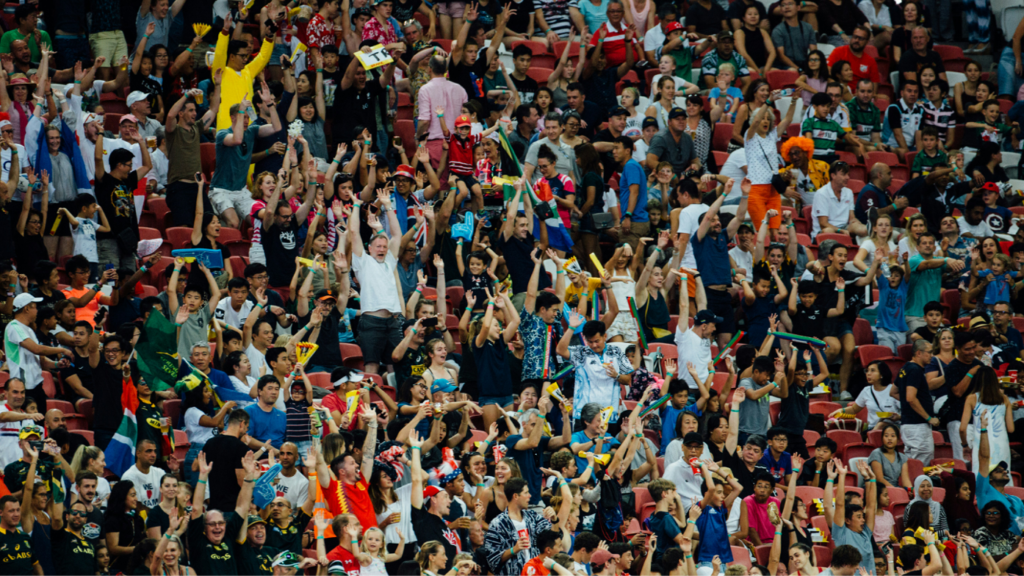
New York City’s Moment
In a city accustomed to making headlines and serving as the global center of culture, commerce, and influence, the summer of 2026 stood apart. Fueled by the New York Knicks’ NBA championship, the United States’ 250th anniversary (the semiquincentennial), and the 2026 FIFA World Cup, New York City experienced an extraordinary run of marquee events that energized retail activity across the city, while driving foot traffic well above typical summer levels.
The Knicks Kick Off the Summer
Even before the NBA Finals began, the impact of the Knicks’ playoff run on New York City was substantial. Not just emotionally, but also economically. The New York City Economic Development Corporation (NYCEDC) announced that the first three rounds of the playoffs generated an estimated $202 million in economic activity from the seven home games played at Madison Square Garden (MSG) up to that point.
Then came the Finals themselves. The two Finals home games generated approximately $90 million each, creating not only a surge inside MSG, but also the surrounding bars and restaurants. According to Placer.ai data, visits within a two- to three-block radius of MSG in Manhattan’s Penn Plaza neighborhood more than doubled during the two-week span of the NBA Finals in early June compared with the same two-week period in 2025. This metric captured visitors who spent at least one hour in the area. However, this increase was not limited to the area immediately surrounding MSG. On nights when the Knicks played, restaurants and bars around the city pulled in more than $1,000 in incremental revenue per venue on average, according to the CEO of the Sunday App, a restaurant payment system.
That momentum didn’t end when the Finals did. According to Fanatics, after the Knicks won the 2026 NBA Championship, the team became Fanatics’ top-selling champion across all sports in the first 24 hours following the title win, surpassing the previous record set by the Philadelphia Eagles in 2025. Fanatics also reported processing more than 8,000 orders per minute immediately after the championship-clinching game. Demand extended beyond online sales, with lines for championship merchandise at the flagship NBA Store on Fifth Avenue stretching around the block in the days immediately following the championship win, as fans began lining up as early as 5:30 a.m. to secure commemorative gear. The celebration culminated in a ticker-tape parade that drew an estimated two million fans, underscoring how major sporting events can drive spending across hospitality, retail, restaurants, transportation, and tourism.
New York City Celebrates 250
Several events were held throughout the week of July 4 to celebrate the United States’ semiquincentennial. Among the most prominent was Sail4th 250, a six-day maritime celebration featuring an international parade of tall ships and naval vessels, with designated viewing locations along the waterfront throughout New York City.
The event also included public ship tours, aircraft flyovers, and a variety of cultural and educational programs. One of the premier viewing locations was The Battery at the southern tip of Lower Manhattan. Placer.ai data indicates visits to The Battery increased 33.7% compared to the prior July 4th weekend, reflecting heightened visitation during the Sail4th 250 celebration.
The scale of Macy’s Fourth of July Fireworks Spectacular exceeded that of a typical year, reflecting its role in celebrating both America’s semiquincentennial and the event’s own 50th anniversary. The dual commemoration helped make the 2026 show one of the most expansive and ambitious displays in the event’s history by firing off 85,000 total shells into the summer sky.
The World Comes to New York City
The 2026 FIFA World Cup took over the city this summer, with eight matches held at MetLife Stadium in neighboring East Rutherford, New Jersey beginning in mid-June. Although the matches did not take place directly in New York City, the effects of the matches and the overall tournament were felt throughout the city.
Domestic and international tourists often combined attending the matches in New Jersey with a visit to New York City. And the numbers speak for themselves. Along Fifth Avenue’s famous shopping corridor between 50th and 59th Streets, foot traffic more than doubled during the first weekend a World Cup match was held in New Jersey compared to the prior weekend, while Seventh Avenue in Times Square recorded a nearly 40.0% increase according to Placer.ai data. Given the staggering number of visitors to the city during the World Cup, numerous retailers sought to attract these fans through brand partnerships, experiential activations, and social media campaigns. For instance, at Nordstrom’s flagship New York City store just south of Columbus Circle, the retailer partnered with Adidas to create immersive World Cup-themed branding, exclusive merchandise and interactive experiences.
Watch parties were also a driver of retail activity. Over one million fans attended Official New York New Jersey Fan Events. That figure excludes the hundreds of bars and restaurants that would have shown any of the 104 matches that took place during the tournament. In a poll conducted by the NYC Hospitality Alliance, almost half of the businesses surveyed across the city saw a significant increase in sales when airing the matches.
The five World Cup group-stage matches alone at MetLife Stadium generated $1.2 billion in direct visitor spending and an estimated $2.1 billion in total economic impact across the New York-New Jersey region. While the economic impact of the final three matches, including the Spain-Argentina Final, has not yet been fully quantified, early results demonstrate the significant economic benefits of hosting the tournament.
For additional analysis from Colliers on the World Cup’s impact across the region, visit: https://worldcup.colliers.com/p/17
The Lasting Impact
While each of these events offered a distinct experience, collectively they created a shared sense of excitement and celebration across New York City. More than standalone events, they became unforgettable, once-in-a-generation experiences that brought residents and visitors together in a way that is difficult to replicate. The economic benefits were equally significant. By drawing large crowds into commercial districts, these events boosted foot traffic, extended visitor dwell times, and increased spending across retail, hospitality, entertainment, and food service sectors. Indeed, the summer of 2026 will be remembered as one of the most memorable in recent New York City history and demonstrated the powerful role major cultural and sporting events can play in driving economic activity.

 Anjee Solanki