- Existing assets remain deeply discounted to replacement cost, with values ranging from 44% to 87% of published construction costs across the property types analyzed.
- Downtown office trades at less than half of construction cost, but performance will still depend on quality, leasing, and local demand.
- High construction and financing costs are limiting development, potentially improving rent and NOI prospects for well-positioned existing assets.
- Warehouses are an exception worth monitoring. Their values are closest to replacement cost, while rising construction activity could shorten the sector’s supply advantage.
The wide gap between property values and replacement costs matters for more than today’s pricing. High construction costs make new development harder to justify, limiting future supply and improving the long-term income outlook for existing properties.
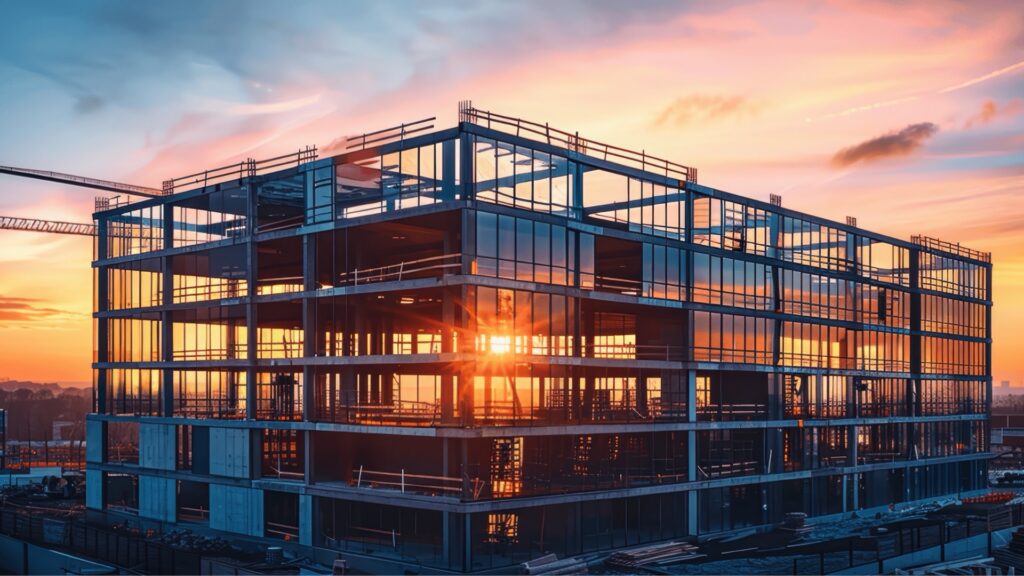
Contractor bid prices rose 5.3% in the year through August, while the Fed’s September hike keeps construction loans expensive. At today’s values, few new projects pencil out. Hospitality supply growth illustrates the impact: CoStar expects supply to grow roughly 0.5% a year through 2027, given the financial challenges facing new builds.

Open-air retail centers face little new competition. Values sit at about 70% of construction costs, while building expenses and financing still limit speculative development.
In office, tenants needing large blocks of space have limited options in existing buildings, prompting new construction in select markets. For investors, the downtown opportunity lies in newer buildings that still trade below replacement cost and can accommodate that demand.
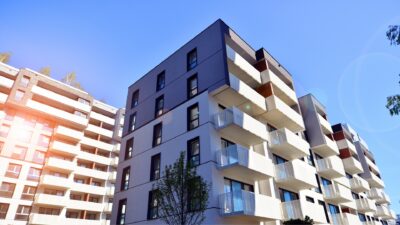
Multifamily highlights another supply constraint: construction financing. In Mid-America Apartment Communities’ (MAA) Sun Belt markets, new communities trade at cap rates in the mid- to upper-4% range and older properties in the high 5% to low 6% range. At those levels, new multifamily properties are worth more than they cost to build. Even so, higher construction financing costs and tighter lending have cut starts. The multifamily construction pipeline continues to shrink, with CoStar expecting completions to fall 23% in 2026 and another 19% in 2027.
Industrial space under construction has picked up from its late-2025 low. Sales of warehouse development sites fell to 45 in 2025, down 68% from 2021. However, the dollar volume of site sales through Q3 2026 already exceeds 2025’s total. Industrial underwriting should assume a shorter window of supply protection. For most other property types, low starts should keep deliveries thin for the next 12 to 24 months.
 Rachael Rothman
With few new projects starting, owners of existing buildings face less new competition over the next two years.