

 Haley Boatright
 Nicole Larson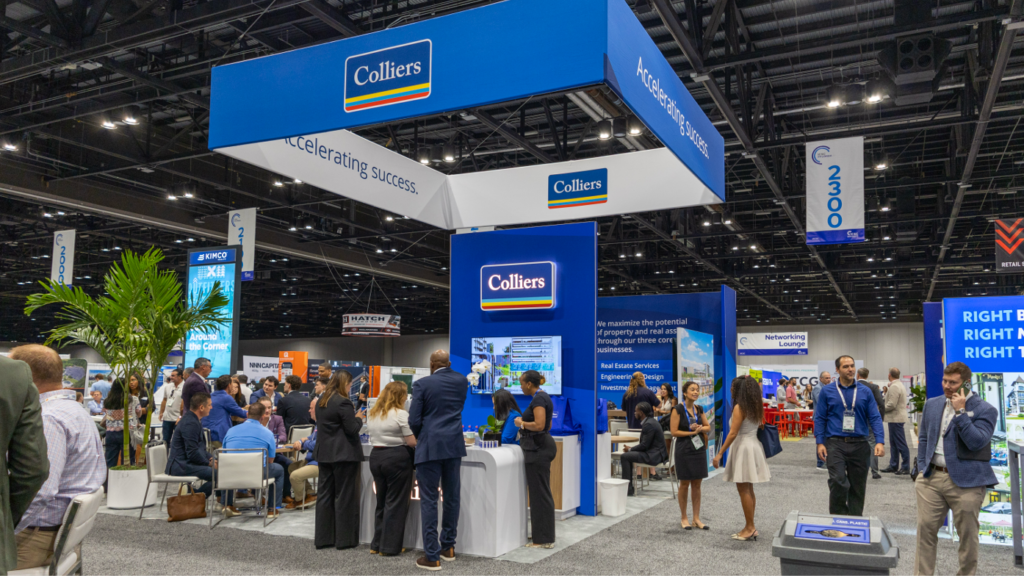
The ICSC Florida 2026 convention in Orlando brought together more than 4,500 retail real estate professionals from across the state for three days of discussions on technology, leasing, investment, development, and consumer behavior. While the topics varied, several themes surfaced repeatedly: data is becoming central to decision-making, retailers and landlords are finding new ways to connect digital and physical experiences, and AI is rapidly changing how industry professionals work.
Many of the conversations mirrored findings from Colliers’ 2026 Florida Retail Report, reinforcing that while Florida’s retail real estate fundamentals remain strong, the tools and strategies driving the industry continue to evolve. Here are 10 key takeaways from ICSC@FLORIDA:
1. AI Was Part of Nearly Every Conversation
While several sessions focused directly on AI, the topic also surfaced in conversations throughout the conference, regardless of the subject matter. Whether discussing site selection, leasing, marketing, research, prospecting, or operations, panelists frequently referenced how AI is helping professionals work more efficiently and uncover new insights. One common theme was that AI is becoming less of a future concept and more of an everyday business tool. That was especially evident in conversations with students and emerging professionals, many of whom asked how organizations are currently incorporating AI into their workflows. The takeaway was consistent: AI will not replace industry expertise, but it will increasingly become part of how that expertise is applied. Professionals who learn to leverage these tools effectively will have a meaningful advantage.
2. Connecting Digital Touchpoints with Physical Retail Environments
Multiple speakers emphasized that consumers now move seamlessly between digital and physical channels. The challenge for owners and retailers is to create consistency from the moment a shopper engages with content on social media to the moment they arrive on the property. Digital signage, loyalty programs, mobile engagement, and real-time content are increasingly being deployed to bridge that gap. The primary focus for operators is creating a seamless, friction-free journey from a customer’s social feed to the physical storefront – leveraging everything from weather-responsive digital displays to interactive promotions that increase dwell time and drive foot traffic directly into tenant spaces. The goal is no longer just checking the box on digital but using it to add tangible value and reduce friction for the consumer.
3. Data Has Moved from the Back Page to the Front Lines
Data is now the driving force behind major leasing and investment decisions. The quality and accessibility of real-time data have transformed the deal-making process from relying on subjective “gut checks” to data-driven strategies. Retailers are using sophisticated data analysis to understand consumer behavior and optimize site selection, revealing that traditionally favored locations may not align with their actual customer base. For landlords, data provides critical insights into tenant mix, customer journeys, and what elements are missing from their centers.
4. AI Enhances Operational Efficiency, but Human Due Diligence Remains Essential
Artificial Intelligence is rapidly being adopted to handle repetitive tasks, analyze complex data sets, and even generate marketing leads through Answer Engine Optimization (AEO). AI can make us faster and more efficient, but the consensus is that it’s a tool, not a replacement for human expertise. Creativity, brand interpretation, and the final strategic decision remain human-led. As one panelist noted, while AI can write a polished business plan, landlords still bear the responsibility to perform due diligence to verify its accuracy.
5. “Collective Joy” and Experiential Programming Drive Foot Traffic
In a post-pandemic world, consumers are craving shared, in-person experiences. This is fueling the success of food and beverage and entertainment concepts. As a result, shopping center operators are increasing their budgets for events, community activations, and experiential programming. The strategy is simple: create a unique experience that brings consumers to the property, allowing retailers to convert that foot traffic into sustained sales.
6. Elevated Construction Costs Accelerate Second-Generation Space and Adaptive Reuse
With historically low vacancy rates and high construction costs, the focus has intensified on adaptive reuse and backfilling big-box vacancies. There is a waiting list of concepts, from off-price retailers and gyms to entertainment venues, ready to move in. However, second-generation conversions entail operational complexities, ranging from unexpected conditions in legacy infrastructure to permitting bottlenecks, particularly when municipal zoning codes have not yet adapted to modern experiential concepts. Furthermore, property owners are increasingly leveraging flexible pop-ups and automated concepts to activate underutilized square footage and capture ancillary revenue, a trend highlighted in ICSC’s analysis on the evolution of specialty leasing and automated retail.
7. Entertainment and Experiential Concepts Emerge as Primary Traffic Drivers
Entertainment concepts continue to become a more important part of the retail mix. Rather than serving solely as an accessory use, many entertainment concepts are increasingly foot traffic drivers that create energy, extend visits, and support surrounding tenants. Panelists noted that entertainment users can attract consumers from a wider trade area than traditional retailers to create the types of in-person experiences many consumers continue to seek. As landlords evaluate tenant mix strategies, entertainment is becoming a larger part of the conversation.
8. Digitally Native Brands Are Getting Physical
Digitally native brands are increasingly turning to brick-and-mortar locations as a strategic extension of their online presence. However, the transition is not without its challenges. The biggest disconnect is often the brand’s underestimation of the true capital requirements of physical retail, including space buildouts, local permitting timelines, and ongoing operating expenses. For landlords, this trend presents an opportunity to attract new and exciting tenants, but it requires careful due diligence on the brand’s sales, audience, capital, and overall operational readiness.
9. Capital Continues to Pursue Well-Located, High-Quality Retail
Despite ongoing conversations around interest rates, debt costs, and bid-ask spreads, investment capital remains highly competitive for well-located Florida retail assets. Industry leaders pointed to sustained institutional and private capital allocations into the state, backed by strong underlying tenant sales, durable cash flows, and persistent demand for grocery-anchored, necessity-based, and service-oriented centers. Where new development remains cost-prohibitive, investors are deploying capital creatively into repositioning and value-add redevelopments.
10. Relationships Remain the Industry’s Core Competitive Advantage
For all the discussions around technology, analytics, and automation, one message remained constant throughout the conference: real estate is still a relationship business. Whether through industry organizations, networking events, digital platforms like LinkedIn, or existing personal networks, opportunities continue to originate from direct conversations. Building trust, establishing a clear professional reputation, and maintaining consistent communication are what ultimately surface off-market opportunities and move transactions across the finish line. Technology will continue to optimize how the industry works, but relationships remain at the center of how deals get done.

 Anjee Solanki
 Marianne Skorupski