

 Anjee Solanki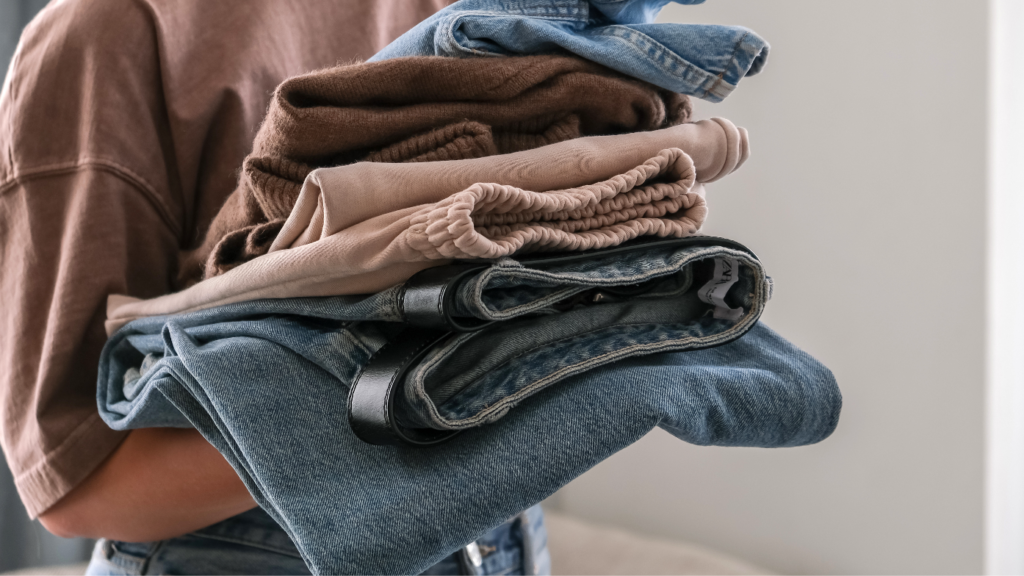
Over the last few years, clothing and apparel have evolved beyond everyday essentials into increasingly rapid forms of expression. The continuous trend-on-trend cycle has produced an overwhelming amount of information about what to wear and when to wear it. Fast fashion, luxury, influencers, and celebrities have contributed to a constant churn of aesthetics, leaving some consumers looking for a reprieve.
Enter Normcore: a deliberate modern-day camouflage where bland becomes a conscious style choice. Plain T-shirts, relaxed jeans, button-down shirts, and chunky sneakers are elevated precisely because they do not demand attention. Underneath the aesthetic lies a shift in how consumers think about value.
Consumer Edge transactional data shows younger consumers pulling back on apparel spending while brands including Quince, Uniqlo, and Buck Mason gain traction among shoppers prioritizing versatility, quality, and value.
At the same time, conspicuous luxury has begun losing some of its signaling power. Years of aggressive price increases have forced consumers to question exactly what they are paying for.
McKinsey and Business of Fashion estimate that between 2023 and 2025, roughly 80% of luxury market growth came from price increases rather than volume gains — a period in which, by their own account, those increases arrived without corresponding improvements in product quality or creativity.
The Cultural Relevance of the Everyday
Gen Z may be helping drive the cultural reset, but the commercial opportunity extends well beyond one generation.
The staples at the center of Normcore: denim, T-shirts, shirting, knitwear, and outerwear are already cross-generational purchases. Circana’s 2026 back-to-school insights show denim remains a key category on shopping lists, reinforcing the continued relevance of foundational apparel categories across generations. Younger consumers may be making these categories culturally relevant again, but they already have an established place in wardrobes across generations.
The larger question for retail is whether these everyday apparel essentials can become destination categories again.
When Basics Become Destination Categories
Normcore could redirect apparel traffic toward brands whose strength has always been the everyday wardrobe. Everyday apparel essentials are not inherently low-growth categories when consumer priorities shift toward quality and repeat wear.
Gap is perhaps the clearest example. After years of struggling to maintain cultural relevance, the brand has regained momentum by focusing on foundational categories, including denim. In 2026, Gap reported one of its strongest comparable-sales quarters in more than two decades, with denim and fleece among the categories helping drive renewed customer interest.
Other retailers built around everyday apparel are also expanding their physical footprints. Uniqlo continues to expand its U.S. presence by opening additional stores. Aritzia continues to expand its North American retail network, supported by strong performance from new and repositioned boutiques.
The momentum extends beyond individual brands. The broader apparel category is also benefiting from renewed consumer demand, suggesting that consumers’ renewed interest in wardrobe staples is translating into measurable spending across the sector. Apparel sales increased 5.6% year over year in June and 5.4% in July, supported by promotional activity, summer wardrobe refreshes, back-to-school shopping, and spending tied to major seasonal events. Notably, apparel was identified as one of retail’s strongest-performing discretionary categories during the summer, demonstrating consumers’ continued willingness to prioritize fashion purchases despite ongoing inflationary pressures and economic uncertainty.
Importantly, much of this demand has been concentrated in categories closely aligned with the Normcore aesthetic, including denim, basics, casual apparel, and other wardrobe staples that prioritize versatility, longevity, and repeat wear over novelty..
The renewed demand is also visible in store traffic. Placer.ai data shows the clothing category generated more than 2.1 billion visits nationwide year-to-date, with shoppers spending an average of 39.1 minutes per visit, underscoring apparel’s continued ability to drive meaningful in-store engagement.
These companies are creating demand around products designed to be worn repeatedly, in categories that have a natural advantage in physical retail. Jeans need to be tried on. Fabric needs to be touched. Fit, weight, wash, and proportion are difficult to evaluate entirely through a screen. Each of these staples creates a repeat purchase opportunity.
That tangible immediacy remains one advantage physical stores offer that ecommerce cannot always replicate, regardless of improvements in delivery logistics.
The Economics of Repeat Purchase
Circana’s Marshal Cohen has characterized the current environment as one in which consumers are changing their behavior rather than simply cutting back, with pandemic-era purchasing patterns evolving toward usage and replenishment.
That is not just a fashion observation. It is a retail cash-flow observation. Products that are worn repeatedly, replaced periodically, and purchased across generations create a different traffic proposition from categories that depend entirely on seasonal trends or the next product drop.
Foot traffic data reinforces the relevance of apparel basics in physical retail. At the retailer level, brands built around wardrobe essentials are also seeing increased consumer engagement. Gap’s foot traffic increased 4.8% year over year, while Aritzia’s visits rose 12.8%, underscoring continued consumer demand for retailers centered on denim, basics, and versatile everyday apparel.
For landlords, retailers focused on high-utility, quality-driven wardrobe essentials may warrant renewed attention. As consumers increasingly prioritize versatility, value, and repeat wear, these brands can deliver consistent traffic patterns without relying solely on trend cycles or product drops. These brands can generate repeat visits while serving a customer base beyond the generation currently driving Normcore’s cultural relevance.
Whether Normcore itself has staying power is less important than the behaviors it reflects. Fashion cycles will continue to evolve, but greater scrutiny of value, demand for versatility, and interest in quality over visible branding are likely to influence consumer decisions well beyond this particular aesthetic. The rise of Normcore does not mean consumers are abandoning self-expression, merely that expression may shift into other categories.
What it does mean is an opportunity for a different class of retailer to become more culturally relevant, and a renewed case for the staying power of physical stores.

 Nicole Larson