

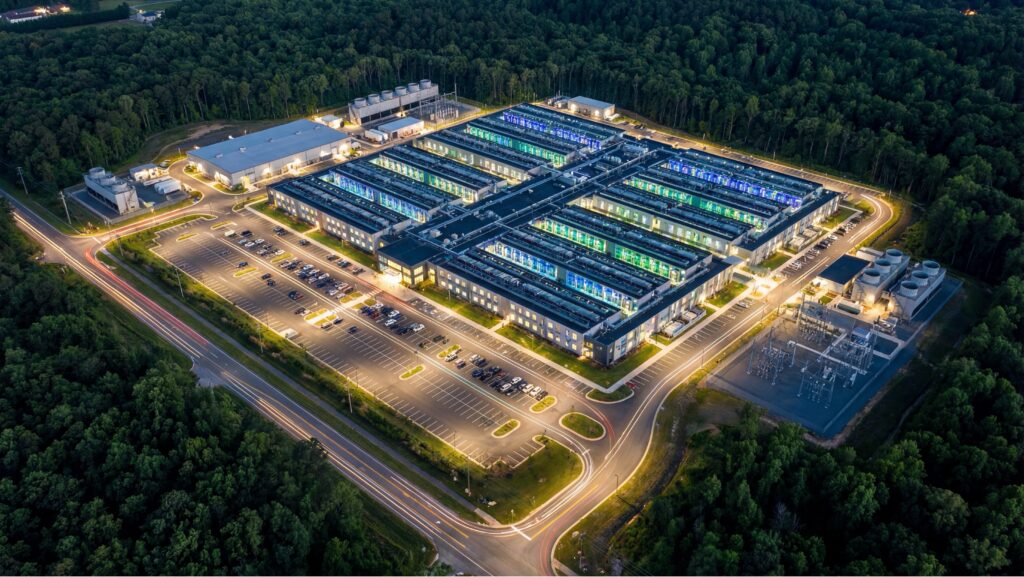
- Morgan Stanley projects that annual investment by the largest cloud and technology providers will exceed $800 billion in 2026, nearly double 2025 levels.
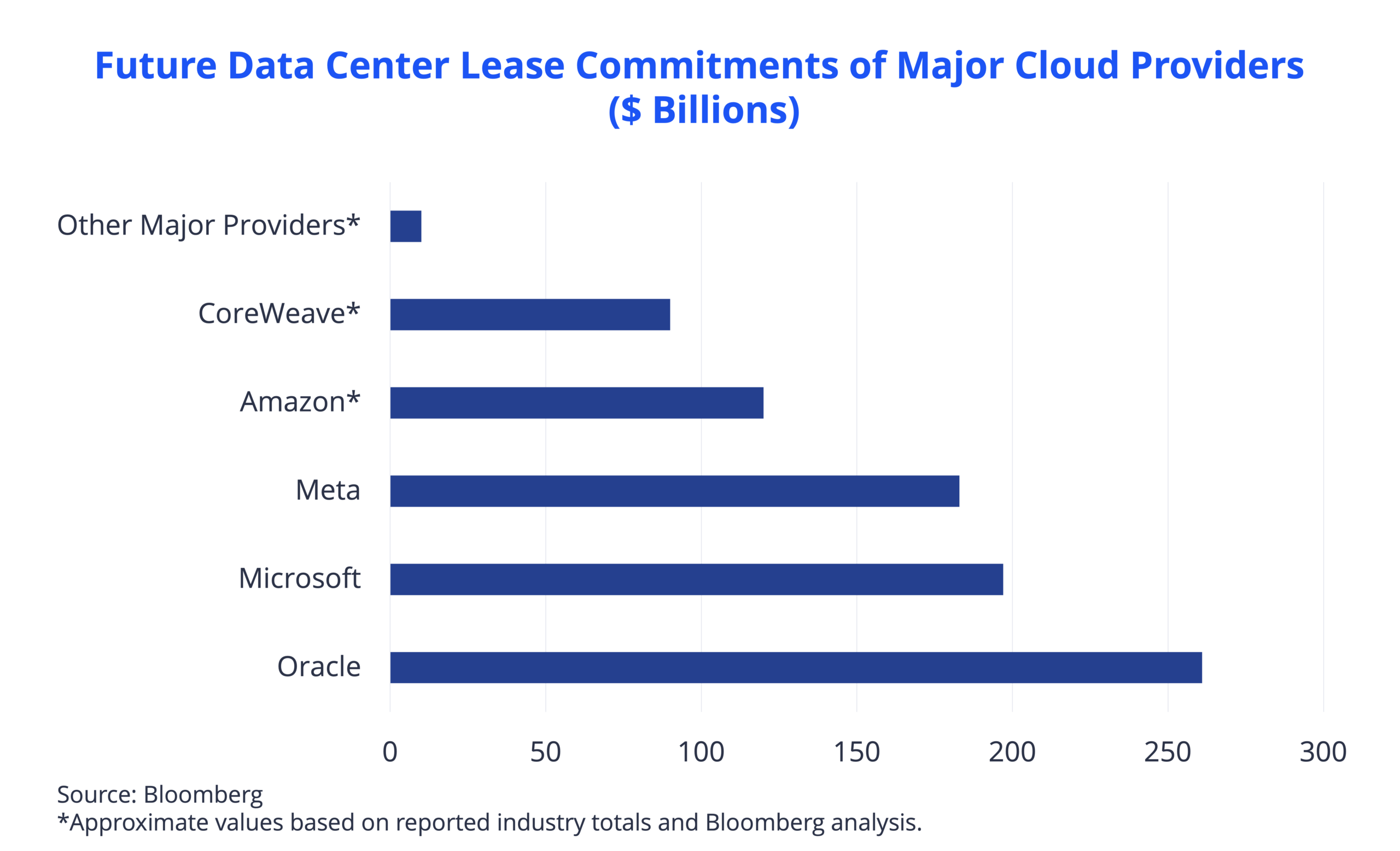
- Microsoft and Meta added approximately $120 billion in future data center lease commitments in their most recently reported quarters, pushing total future lease obligations among major cloud providers above $850 billion.
- Demand for computing power, AI training capacity, and cloud infrastructure continues to drive record investment across the digital ecosystem.
- The impact extends well beyond technology, with utilities, industrial real estate, power infrastructure, semiconductors, and construction firms emerging as significant beneficiaries of the AI buildout.
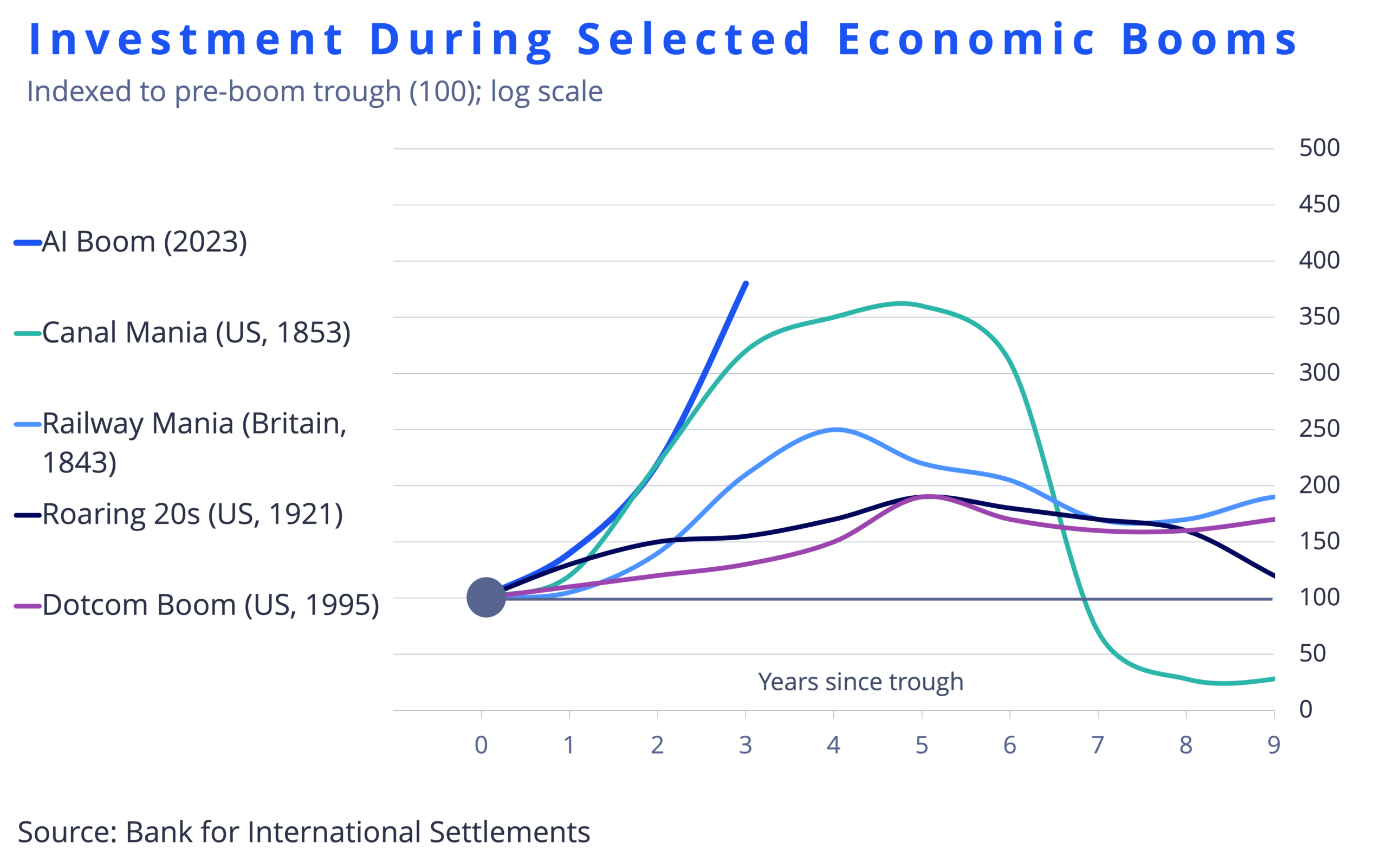
The AI investment boom continues to accelerate, with hyperscale technology companies on track to invest more than $800 billion in AI-related infrastructure in 2026. What began as a technology arms race has evolved into one of the largest private-sector investment cycles in modern history, surpassing annual investment levels associated with the Dot-Com Era and rivaling some of history’s most significant infrastructure booms.
The buildout is also driving unprecedented demand for data centers, power generation, semiconductors, and digital infrastructure.
Spending began to accelerate sharply in 2023 as AI development shifted from experimentation to large-scale deployment. Since then, technology leaders have committed hundreds of billions of dollars to data centers, networking equipment, chips, and supporting infrastructure to meet rising demand for AI applications and cloud services.
The clearest signal that AI infrastructure spending is likely to remain elevated comes not only from current capex, but also from the rapid growth in future lease commitments. According to a Bloomberg analysis of regulatory filings, major cloud providers now hold more than $850 billion in future lease obligations, primarily tied to data centers and related facilities. Meta alone increased commitments by $79 billion, a 76% quarter-over-quarter increase, while Microsoft added more than $41 billion.
For real estate and infrastructure investors, the implications are significant. Access to power, developable land, fiber connectivity, and specialized facilities is becoming increasingly valuable as hyperscalers expand their footprints. As a result, the AI buildout is creating opportunities well beyond the technology sector and reshaping capital allocation across the broader economy.
 Steig Seaward
More than $850 billion in future lease obligations signals sustained demand for data center capacity.