

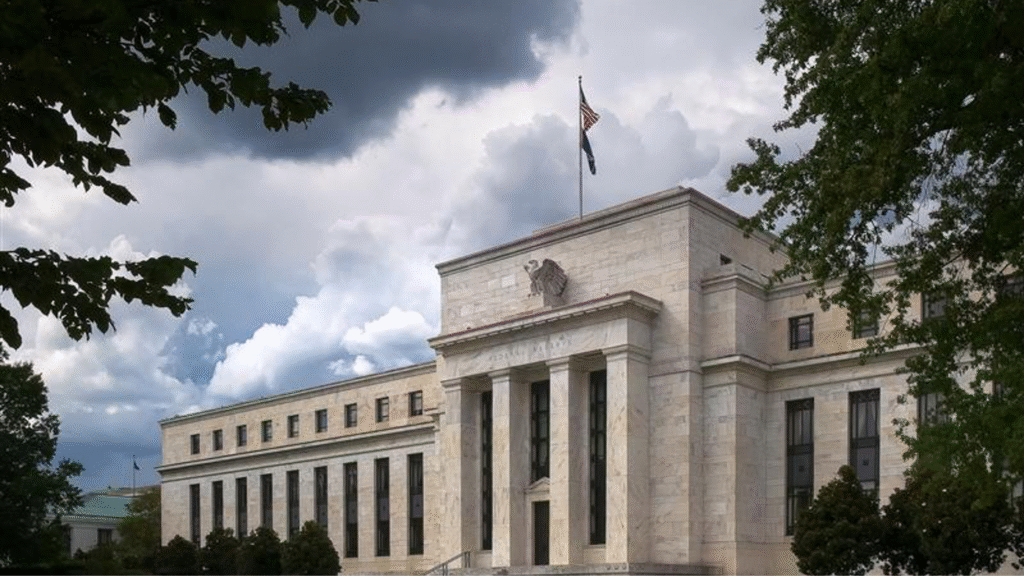
- Kevin Warsh, the Federal Reserve Chair nominee, has long advocated for a smaller Fed balance sheet.
- Warsh argues that reducing bond holdings would withdraw excess liquidity, tighten financial conditions, and help create room for short-term interest rate reductions.
- Treasury Secretary Scott Bessent has also called for a leaner balance sheet, citing potential market distortions, the operational complexity of managing a large portfolio, and unrealized losses on assets purchased during Quantitative Easing.
- Their perspectives have resurfaced questions about whether the Fed should pursue a more aggressive path of balance sheet reduction.
The recent nomination of Kevin Warsh as the preferred candidate to lead the Federal Reserve has brought renewed attention to Quantitative Tightening (QT) and the role the Fed’s balance sheet plays in monetary policy debates. Quantitative Tightening works by allowing the Fed’s Treasury and mortgage-backed securities to mature without reinvestment. This gradual runoff reduces the banking system’s reserves. In theory, withdrawing liquidity makes short-term funding modestly more expensive, reduces demand for riskier financial assets, and puts upward pressure on long-term yields as private investors absorb a greater share of Treasury and mortgage supply. Under this view, QT serves as a complementary tightening tool that helps normalize financial conditions and expands the scope for later policy rate adjustments.
However, evidence since 2022 suggests QT’s practical effects have been limited. The Fed has reduced its balance sheet by about $2.4 trillion during this period, yet broader financial conditions have loosened and asset markets have remained resilient. While QT can influence long-term interest rates by shifting more supply to private investors, these effects appear modest in scale compared to changes in the Fed’s policy rate or expectations around future rate decisions.

One explanation for QT’s limited impact is the structural shift in how the United States implements monetary policy. Before 2008, the Fed influenced short-term interest rates by adjusting the supply of bank reserves. Smaller balances pushed rates higher, and reserve scarcity was the central policy lever. Today, under an ample reserves framework, the Fed controls short-term rates by paying interest on reserve balances, known as the IORB rate. With banks holding reserves well above minimum requirements, lending decisions depend more on capital constraints and credit demand than on the size of balances. As a result, reducing reserves through QT no longer reliably tightens credit conditions as it once did.
 Steig Seaward
Changes in the Fed’s operating framework have limited the effectiveness of balance sheet tightening.
Quantitative Tightening also carries risks if taken too far. If reserve balances fall below banks’ preferred liquidity buffers, short-term funding markets could become unstable, as seen during the September 2019 spike in repo rates. Under such conditions, the Fed may need to inject emergency liquidity to reestablish control, effectively reversing the effects of QT and complicating operational management.
Overall, while QT can influence longer-term yields, it remains a blunt and relatively limited instrument. Relying on QT to create policy space for rate cuts may not deliver the intended tightening and carries the added risk of stressing short-term funding markets.