

 Anjee Solanki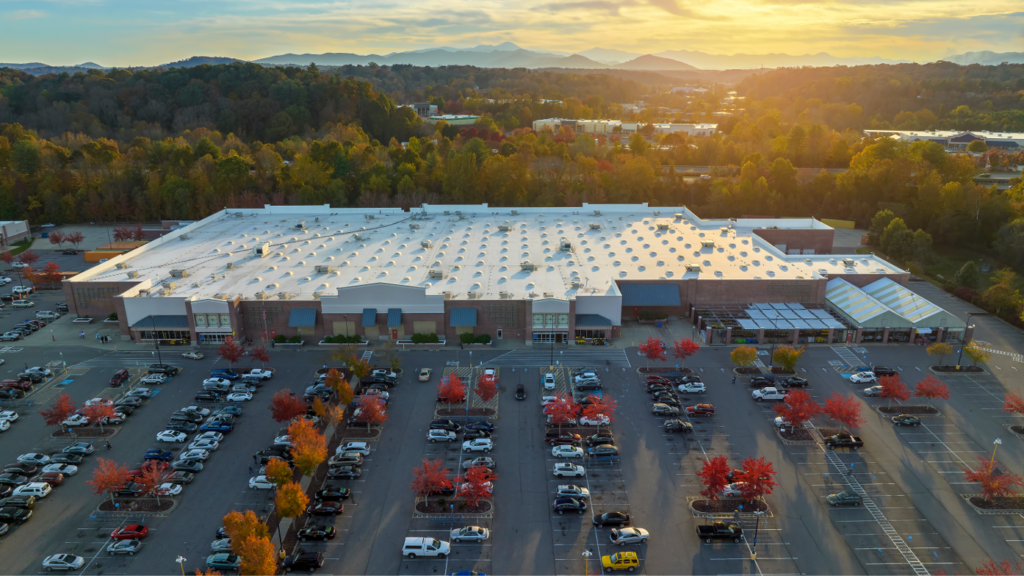
Walmart’s enduring advantage is its ability to combine deep physical-retail expertise with emerging innovations and scale them through its own principles of value, convenience, and accessibility.
Founded by Sam Walton in 1962, Walmart was built on a practical understanding of how to operate stores efficiently, source merchandise at scale, and deliver consistently low prices to a broad base of consumers.
At the time, Walton’s strategy was to expand into rural communities, markets largely overlooked by major retailers such as Kmart and Sears. He recognized that rural consumers wanted the same low prices available to urban dwellers but lacked access to them. Walmart built its early growth around serving that geographic gap, establishing a physical presence in communities where larger competitors lacked vision. Walton’s instinct to explore opportunities that his contemporaries failed to recognize set the course for Walmart’s continued growth.
Today, that competitive positioning has flipped. As digital retailers invest in physical infrastructure and last-mile logistics to get closer to consumers, Walmart is turning its existing physical footprint into a digital advantage. Stores are increasingly becoming places to shop and pick up online orders, supported by larger distribution and next-generation fulfillment centers. The result is a more hybrid retail network, one that collapses the divide between store, warehouse, and last mile.
From Retailer to Ecosystem
Walmart is one of retail’s strongest brands because it has continuously studied the competitive landscape around it. Rather than copy the strategies of T.J. Maxx, Costco, or Amazon, the retailer has drawn from their playbooks, adapting what works to its own operating model and customers.
Where T.J. Maxx has built a value-driven discovery model around branded deals and unexpected finds, Walmart differentiates with consistently low prices on everyday essentials, layered with a much broader general merchandise assortment. And rather than replicate Amazon’s marketplace model, Walmart has built an ecosystem of its own, threading together Walmart.com, Walmart Marketplace, Walmart+, store-based fulfillment, and Walmart Connect, with its proprietary Element machine-learning platform working across the business. While Costco built its model on membership economics, bulk value, and member trust, Sam’s Club extends Walmart’s reach into bulk purchasing and membership-based savings, an architecture that now includes a premium Plus membership.
Each of these pieces extends Walmart’s relationship with the consumer beyond the store. Walmart+ responds to the demand for convenience and speed, while Walmart Connect monetizes the digital relationship through its retail media network. Together, they allow Walmart to compete across multiple stages of the consumer journey without abandoning the company’s low-price roots.
Walmart’s technology strategy is not designed to replace the store. It is designed to increase the number of jobs each store can perform, expanding the value of the physical footprint beyond the sales generated inside the building.
Redefining the Walmart Shopper
Walmart is also working to reshape how consumers perceive its brand, moving beyond its traditional reputation as a destination for deep discounts and everyday essentials. Through refreshed store designs, elevated merchandise displays, and a growing emphasis on trend-driven apparel, the retailer is positioning itself to appeal to a broader, more style-conscious customer base without abandoning its value-oriented roots. Its investment in contemporary fashion brands, including Free Assembly, Scoop, and the Gen Z-focused No Boundaries, reflects an effort to capture spending that might otherwise flow to fast-fashion and competing big-box retailers.
The opportunity is particularly evident among younger consumers. According to Spatial.ai, nearly 70% of consumers ages 18–24 purchased from Walmart, the highest rate of any age group. Yet their average annual spending of $847 is nearly 48% below that of consumers ages 35–44 ($1,624). By pairing accessible pricing with a more modern shopping experience, Walmart has an opportunity to deepen engagement with younger shoppers and capture a greater share of their discretionary spending.
Rethinking the Retail Footprint
In 2024, Walmart committed to building and converting more than 150 U.S. stores in its real estate portfolio over five years, while continuing to modernize its existing fleet. In 2026, Walmart added plans to remodel more than 650 Supercenters and Neighborhood Markets, with expanded pickup, delivery, and express-delivery capabilities. Neighborhood Markets, Walmart’s smaller, grocery-focused retail stores, are testing new prototypes that dedicate more space to pickup and delivery, including refrigerated storage designed specifically to move digital orders faster.
The investment effectively gives Walmart’s physical footprint a second job. Stores remain places where consumers shop, but they increasingly serve as localized fulfillment infrastructure, bringing inventory closer to customers and shortening the last mile. Walmart now says store-fulfilled fast delivery can reach 95% of U.S. households in less than three hours.
The retailer operates more than 10,900 stores and clubs across 19 countries and four continents. Rather than impose a single retail format across markets, Walmart adapts its platform to local conditions, operating under different banners and formats while transferring core capabilities in sourcing, supply chain, digital commerce, membership, and fulfillment.
That strategy continues to put Walmart at the top of retail rankings both at home and abroad. The National Retail Federation’s 2026 Top 100 Retailers ranks Walmart No. 1 in the U.S., with nearly $576 billion in domestic retail sales in 2025, almost twice Amazon’s $294 billion. Walmart also holds the top position on NRF’s 2026 Top 50 Global Retailers list, ahead of Amazon and Germany’s Schwarz Group.
For Walmart, the competitive advantage is no longer simply the size of its footprint, but how many ways that footprint can be put to work.
 Nicole Larson

 Haley Boatright